In the contract furniture sector, the entryway table serves as both a
functional anchor and a design signature for lobbies, residential corridors, and
executive suites. For procurement managers, architects, and developers, sourcing
through an entryway
table ODM partnership offers precise control over dimensions,
material grades, finish durability, and supply chain predictability. This guide
dissects the engineering considerations, application scenarios, and procurement
frameworks that separate commodity products from high-performance custom
solutions.
1. Defining Entryway Table ODM in the Contract Furniture Sector
Unlike OEM (build-to-print) arrangements, an entryway table ODM (Original Design Manufacturer) provides design ownership, engineering
documentation, and manufacturing scalability under one agreement. For B2B
clients, this translates to:
Access to in-house custom furniture
manufacturing with full material traceability.
Modification rights for top rails, leg profiles, and integrated power
solutions.
Direct engineering support for contract-grade load testing (ASTM E3090 standards).
Consolidated quality assurance from prototype to container
loading.
This model eliminates the friction of third-party design licensing and
reduces time-to-market by 30–40% compared to in-house fabrication from
scratch.
2. Key Engineering Parameters for High-Volume Entryway Tables
Professional entryway table ODM projects require adherence to five critical engineering vectors:
2.1 Structural Integrity & Joint Reinforcement
Corner-block joinery with KD (knock-down) hardware rated
for 200+ assembly cycles.
Optional dovetail drawer boxes for consoles with integrated
storage.
Anti-racking back panels for units exceeding 48 inches in length.
2.2 Surface Durability for Commercial Cycles
Catalyzed lacquer finishes meeting NEMA LD-3-2005 abrasion
standards.
UV-cured polyester topcoats for high-touch zones (hotel lobbies, co-working
spaces).
Real wood veneers with matching edge banding (no visible
joints).
2.3 Integrated Cable Management
These parameters directly address commercial furniture
longevity and reduce claims for surface wear or joint failure in
high-occupancy environments.
3. Material Selection and Finish Options for ODM Entryway Tables
Choosing the right substrate and surface treatment determines both lifecycle
cost and aesthetic adaptability. Below are industry-backed recommendations for
bespoke furniture
manufacturing:
| Material | Best
Use Case | Finish
Durability |
|---|
| Grade-A
solid ash / oak | Luxury
residential & boutique hotels | 5-7
years (light commercial) |
| CARB
Phase 2 HDF core | Multi-family
housing, student housing | 3-5
years (repairable) |
| Powder-coated
steel frame | Industrial
/ tech offices | 10+
years (scratch-resistant) |
For high-moisture zones (covered entryways, pool houses), marine-grade
plywood with two-part epoxy sealer is recommended—a
specification often overlooked in standard product catalogs.
4. ODM Workflow: From Prototype to Volume Production
A reliable entryway table ODM partner follows a gated process that de-risks large orders. Below is the
stage-gate model used by Essent Home for international
contract clients:
Phase 1 – Technical intake: 2D CAD drawings, load
requirements, assembly method (KD or pre-assembled).
Phase 2 – Engineering validation: 3D rendering + material
sample board (wood veneer, metal swatches, edge profiles).
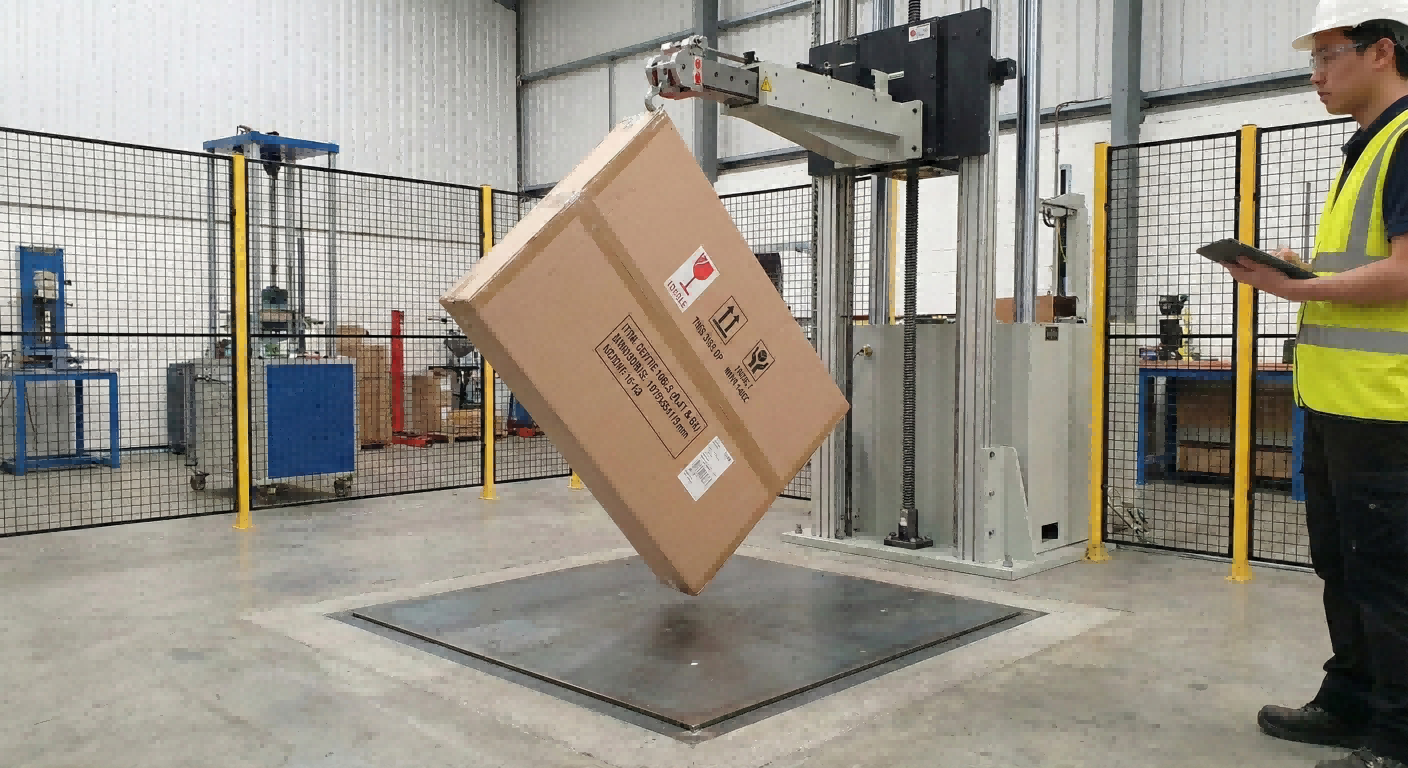
Phase 3 – Pilot run (10–20 units): Full-scale production
line test, including packaging drop tests (ISTA 3A).
Phase 4 – Mass production: SPC monitoring for dimensional
tolerance (±1mm on critical joints).
Phase 5 – Consolidation & shipping: Container load
planning with pre-shipment inspection (SGS or
equivalent).
This workflow reduces sampling iterations by over 50%, a key metric for B2B
buyers managing tight installation deadlines.
5. Application Scenarios: Where Custom Entryway Tables Deliver ROI
Off-the-shelf consoles often fail in non-standard spatial or functional
contexts. ODM-based custom entryway console
tables provide targeted solutions for:
Hospitality: Hotels need 42-inch table heights to align
with ADA clearance + luggage resting surfaces. ODM allows precise height +
reinforced drawer slides (75lb rating).
Multi-family developments: Narrow floor plans (36–48 inches
wide) with built-in mail/ key drop trays. Integrated RFID blocking
compartments for access cards.
Corporate lobbies: Brand-color metal inlays, integrated
logo etching on glass tops, and wireless charging zones flush
with the surface.
Senior living communities: Rounded corners (radius ≥ 5mm),
contrasting edge banding for visibility, and tip-restraint brackets.
Each scenario requires specific engineering adaptations—something generic
importers cannot provide without ODM capabilities.
6. Solving Common Procurement Pain Points Through ODM Partnerships
Based on 200+ B2B projects, the following issues are consistently cited by
buyers, with ODM-based remedies:
Pain point: MOQ mismatch (standard suppliers demand 500+
units).
ODM solution: Flexible MOQ starting at 150 units for
contract-grade
entryway tables with shared material pooling.
Pain point: Inconsistent finish color across
batches.
ODM solution: Spectrophotometer-controlled lacquer
application (ΔE < 1.0) and retained batch samples.
Pain point: Damages during last-mile
delivery.
ODM solution: Custom foam jigs + corner protection
engineered per table geometry (reduces transit claims by 70%).
Pain point: No design exclusivity.
ODM
solution: Signed design ownership agreement + mold/tooling retention
for client-specific profiles.
These operational advantages explain why Essent Home has shifted over
80% of its contract production to an ODM-first model since 2021.
7. Quality Assurance & Compliance for Global Shipments
When evaluating an entryway table ODM supplier, verify these
four compliance pillars:
Flammability: TB 117-2013 for upholstered components (if
bench seating is integrated).
Formaldehyde emissions: CARB ATCM 93120 – Phase 2 for
composite wood.
Hardware cycles: BIFMA X5.1-2017 for drawer slides and
hinges.
REACH / RoHS 3: For metal finishes and electronic modules
(power outlets).
Reputable ODM partners maintain a library of test reports per SKU,
eliminating repeated certification costs for buyers.
8. Why Essent Home Executes Entryway Table ODM with Engineering Depth
With a dedicated 48,000 sq ft manufacturing facility and an in-house
materials lab, Essent Home provides B2B
clients with three differentiating services:
Rapid prototyping (5–7 days) using CNC nesting and
3D-printed joinery mockups.
Hybrid material construction – combining solid wood edges
with engineered core for stability in dry climates.
White glove logistics mapping – door-to-door coordination
with bonded warehousing for multi-site rollouts.
Recent case example: For a 1,200-unit luxury rental tower in Chicago, Essent
Home delivered 47 custom entryway table variations (different widths and power
configurations) within a single 9-week production window, achieving 0.3% defect
rate upon final inspection.
9. FAQ: Entryway Table ODM Procurement and Customization
Q1: What is the typical lead time for an entryway table ODM
project from CAD approval to first shipment?
A1: For standard designs (≤5 modifications), lead time
averages 45–55 days: 14 days for engineering & sampling, 25–35 days for
production (300–800 units), and 7 days for consolidation. Rush services (20
days) are available for repeat designs.
Q2: Can an entryway table ODM supplier match existing
finishes from other brands (e.g., Sherwin-Williams colors or Wilsonart
laminates)?
A2: Yes. Competent ODMs maintain color libraries and can
match RAL, Pantone, or physical samples via spectrophotometer calibration.
Expect a 3–5% surcharge for custom color matching, waived for orders exceeding
500 units.
Q3: What minimum order quantity (MOQ) should B2B buyers
expect for a fully customized entryway table ODM?
A3: MOQ depends on material and complexity: 150–300 units for
mixed-wood designs, 300–500 units for metal-framed tables. Lower MOQs (50 units)
are possible using modular component systems, though per-unit cost rises
20–25%.
Q4: How are design ownership and exclusivity handled in an
ODM agreement?
A4: Standard ODM contracts grant the buyer exclusive rights
to the design (including CAD files and tooling) for a defined period (typically
24–36 months). After exclusivity expires, the ODM may offer derivative designs
to other buyers, but not exact copies.
Q5: What certifications should a B2B buyer request before
placing an entryway table ODM order?
A5: Minimum requirements: ISO 9001:2015 (quality management),
FSC Chain of Custody (if using wood), and BIFMA level 3 for commercial indoor
furniture. For European projects, request EN 16122:2012 test reports for
stability and static load.
Ready to Initiate Your Entryway Table ODM Project?
For procurement managers and design leads requiring technical data sheets,
reference samples, or a phased production quotation, Essent
Home provides a dedicated B2B engineering intake team. Submit your
RFQ with initial sketches or performance targets to receive a gap analysis and
tooling cost projection within 48 business hours.
Inquiry method: Direct your project brief to the contract
manufacturing desk via https://essentfurniture.com/ or request
a video walkthrough of our pilot production line. All inquiries receive NDA
protection and a preliminary engineering review—no MOQ commitment required.